Aloha! (Hawaiian word for LOVE!) Now that I have returned from Hawaii and the much needed “down-time”, I return to posting on my blog daily with my thoughts and views on what life on our world is teaching us about ourselves…and isn’t that the whole point anyway?
So…I’ve started up looking at those articles on the web that I want to share with you (thanks Galactic Connection!), and think this is pretty important! After all, Cobra has just released an article indicating that age reversal if right around the corner, and I’ll be posting that article as well…stay tuned!
In the meantime, please read this article, think of the implications of this amazing tool, and…
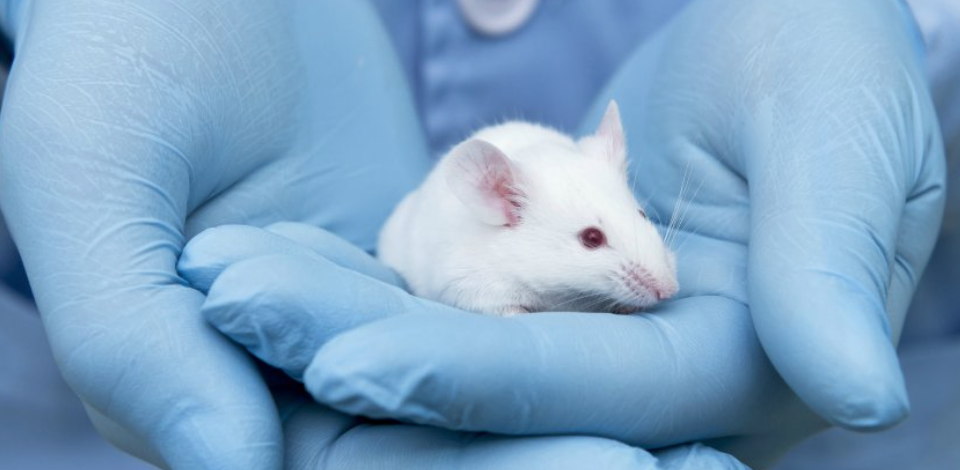
Researchers have identified a cellular mechanism that allows them to reverse ageing in mouse DNA and protect it from future damage.
They’ve shown that by giving a particular compound to older mice, they can activate the DNA repair process and not only protect against future damage, but repair the existing effects of ageing. And they’re ready to start testing in humans within six months.
“The cells of the old mice were indistinguishable from the young mice, after just one week of treatment,” said lead researcher David Sinclair from the University of New South Wales (UNSW) in Australia and the Harvard Medical School in Boston.
“This is the closest we are to a safe and effective anti-ageing drug that’s perhaps only three to five years away from being on the market if the trials go well.”
Sinclair and his team made headlines back in 2013 when they found that the cells of younger mice contained more of a compound called nicotinaminde adenine dinucleotide, or NAD+, than their older counterparts.
Not only that, but when they gave the older mice more NAD+, they started to look younger, too.
It was a big deal at the time, but one of the tricky things about medicine is that in order to show that something could work as a potential treatment, you need to first understand how it’s acting in the body.
And although the researchers knew NAD+ was having an impressive effect, they couldn’t say for sure how it was doing it.
Now, Sinclair and his team have released a new study, where they outline in detail the mechanism through which NAD+ protects DNA from the damage of ageing and radiation in mice.
So how does it work? When we’re born, all of our cells have the ability to repair DNA damage, which we experience constantly through random mutations when our cells divide, or whenever we go out in the sun.
But as we get older, our ability to patch up this damage declines, and our cells being to age.
What the researchers have now shown in this latest study is that a lot of this damage comes down to a DNA-repair compound called PARP1.
When there’s a lot of NAD+ in a cell, PARP1 does its job and keeps our DNA healthy. But when NAD+ drops naturally with age, PARP1 starts to decline, and damage builds up.
To see whether they could take advantage of this cellular mechanism, Sinclair and his team developed a drug that contains the precursor to NAD+, known as NMN, or nicotinamide mononucleotide.
In mice, boosting older mice with NMN was enough to kick DNA repair into action and even reverse existing DNA damage.
They now plan to trial a similar drug in humans before the end of the year – and not just for anti-ageing purposes, but also to protect against DNA damage of any kind.
In fact, the team is collaborating with NASA to see if NMN could help protect its astronauts against harsh space radiation on their four-year journey to Mars, during which it’s predicted that 5 percent of the astronauts’ cells would die, and their chances of cancer would approach 100 percent.
The drug could also be useful for groups that are particularly vulnerable to the effects of radiation, such as frequent fliers and those who undergo frequent CT scans or X-rays.
“The idea is to protect the body from radiation exposure here on earth, either naturally occurring or doctor-inflicted,” Sinclair told Time.
“If I were going to have an X-ray or a CT scan, I would take NMN beforehand.”
Survivors of childhood cancer could also benefit – right now, 96 percent go on to suffer a chronic illness by age 45, including cardiovascular disease, Alzheimer’s, or cancers unrelated to their original cancer.
“All of this adds up to the fact they have accelerated ageing, which is devastating,” said one of the researchers, Lindsay Wu. “It would be great to do something about that, and we believe we can with this molecule.”
Before we get too excited, we need to keep in mind that many, many studiesin mice are not replicated in humans.
So until the results of these early clinical trials in people begin to trickle in, there’s no promise that NMN will help protect human DNA.
But understanding this mechanism of DNA ageing is a big step towards better understanding how to keep our cells healthier for longer, and that’s pretty exciting.
The research has been published in Science.