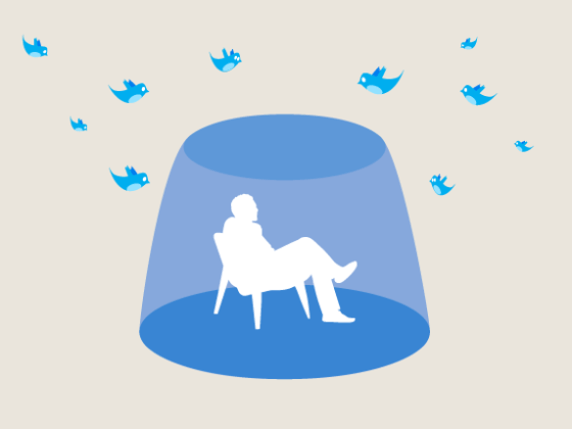
Interruption-free space is sacred. Yet, in the digital era we live in, we are losing hold of the few sacred spaces that remain untouched by email, the internet, people, and other forms of distraction. Our cars now have mobile phone integration and a thousand satellite radio stations. When walking from one place to another, we have our devices streaming data from dozens of sources. Even at our bedside, we now have our iPads with heaps of digital apps and the world’s information at our fingertips.
There has been much discussion about the value of the “creative pause” – a state described as “the shift from being fully engaged in a creative activity to being passively engaged, or the shift to being disengaged altogether.” This phenomenon is the seed of the break-through “a-ha!” moments that people so frequently report having in the shower. In these moments, you are completely isolated, and your mind is able to wander and churn big questions without interruption. However, despite the incredible power and potential of sacred spaces, they are quickly becoming extinct. We are depriving ourselves of every opportunity for disconnection. And our imaginations suffer the consequences.
Why do we crave distraction over downtime?
Why do we give up our sacred space so easily? Because space is scary. During these temporary voids of distraction, our minds return to the uncertainty and fears that plague all of us. To escape this chasm of self-doubt and unanswered questions, you tune into all of the activity and data for reassurance. But this desperate need for constant connection and stimulation is not a modern problem. I would argue that we have always sought a state of constant connection from the dawn of time, it’s just never been possible until now.
We are depriving ourselves of every opportunity for disconnection.
The need to be connected is, in fact, very basic in Maslow’s hierarchy of needs, the psychological theory that explains the largest and most fundamental human desires. Our need for a sense of belonging comes right after physical safety. We thrive on friendship, family, and the constant affirmation of our existence and relevance. Our self-esteem is largely a product of our interactions with others. It is now possible to always feel loved and cared for, thanks to the efficiency of our “comment walls” on Facebook and seamless connection with everyone we’ve ever known. Your confidence and self-esteem can quickly be reassured by checking your number of “followers” on Twitter or the number of “likes” garnered by your photographs and blog posts. The traction you are getting in your projects, or with your business, can now be measured and reported in real time. Our insatiable need to tune into information – at the expense of savoring our downtime – is a form of “work” (something I call “insecurity work”) that we do to reassure ourselves.
So what’s the solution? How do we reclaim our sacred spaces?
Soon enough, planes, trains, subways, and, yes, showers will offer the option of staying connected. Knowing that we cannot rely on spaces that force us to unplug to survive much longer, we must be proactive in creating these spaces for ourselves. And when we have a precious opportunity to NOT be connected, we should develop the capacity to use it and protect it. Here are five potential mindsets and solutions for consideration:
1. Rituals for unplugging.
Perhaps those in biblical times knew what was in store for us when they created the Sabbath? The notion of a day every week reserved for reflection has become more important than ever before. It’s about more than just refraining from work. It’s about unplugging. The recent Sabbath Manifesto movement has received mainstream, secular accolades for the concept of ritualizing the period of disconnection. Perhaps you will reserve one day on the weekend where you force yourself to disconnect? At first, such efforts will feel very uncomfortable. You will deal with a bout of “connection withdrawal,” but stay with it.
2. Daily doses of deep thinking.
Perhaps “sacred space” is a new life tenet that we must adopt in the 21st century? Since we know that unplugging will only become more difficult over time, we will need to develop a discipline for ourselves. Back in the day when the TV became a staple of every American home, parents started mandating time for their children to read. “TV time” became a controlled endeavor because, otherwise, it would consume every waking moment. Now, every waking moment is “connected time,” and we need to start controlling it. We need some rules. When it comes to scheduling, we will need to allocate blocks of time for deep thinking. Maybe you will carve out a 1-2 hour block on your calendar every day for taking a walk or grabbing a cup of coffee and just pondering some of those bigger things. I can even imagine a day when homes and apartments have a special switch that shuts down wi-fi and data access during dinner or at night – just to provide a temporary pause from the constant flow of status updates and other communications.
3. Meditation and naps to clear the mind.
There is no better mental escape from our tech-charged world than the act of meditation. If only for 15 minutes, the ability to steer your mind away from constant stimulation is downright liberating. There are various kinds of meditation. Some forms require you to think about nothing and completely clear your mind. (This is quite hard, at least for me.) Other forms of meditation are about focusing on one specific thing – often your breath, or a mantra that you repeat in your head (or out loud) for 10-15 minutes. At first, any sort of meditation will feel like a chore. But with practice, it will become an energizing exercise. If you can’t adopt meditation, you might also try clearing your mind the old fashioned way – by sleeping. The legendary energy expert and bestselling author Tony Schwartz takes a 20-minute nap every day. Even if it’s a few hours before he presents to a packed audience, he’ll take a short nap. I asked him how he overcomes the midday anxiety enough to nap. His trick? “Practice,” he said. Like all skills that don’t come naturally, practice makes perfect.
4. Self-awareness and psychological investment.
Our most basic fears and desires, both conscious and subconscious, are soothed by connectivity and a constant flow of information. It is supremely important that we recognize the power of our insecurities and, at the very least, acknowledge where our anxiety comes from. Awareness is always the first step in solving any problem. During research for my book, Making Ideas Happen, I was surprised by how many legendary creative leaders credited some form of therapy as a part of their professional success. If you’re willing to invest in it, then take the plunge. Whatever you learn will help you understand your fears and the actions you take as a result.
5. Protect the state of no-intent.
When you’re rushing to a solution, your mind will jump to the easiest and most familiar path. But when you allow yourself to just look out the window for 10 minutes – and ponder – your brain will start working in a more creative way. It will grasp ideas from unexpected places. It’s this very sort of unconscious creativity that leads to great thinking. When you’re driving or showering, you’re letting your mind wander because you don’t have to focus on anything in particular. If you do carve out some time for unobstructed thinking, be sure to free yourself from any specific intent.
***
The potential of our own creativity is rapidly being compromised by the era we live in. I believe that genius in the 21st century will be attributed to people who are able to unplug from the constant state of reactionary workflow, reduce their amount of insecurity work, and allow their minds to solve the great challenges of our era. Brilliance is so rare because it is always obstructed, often by the very stuff that keeps us so busy.